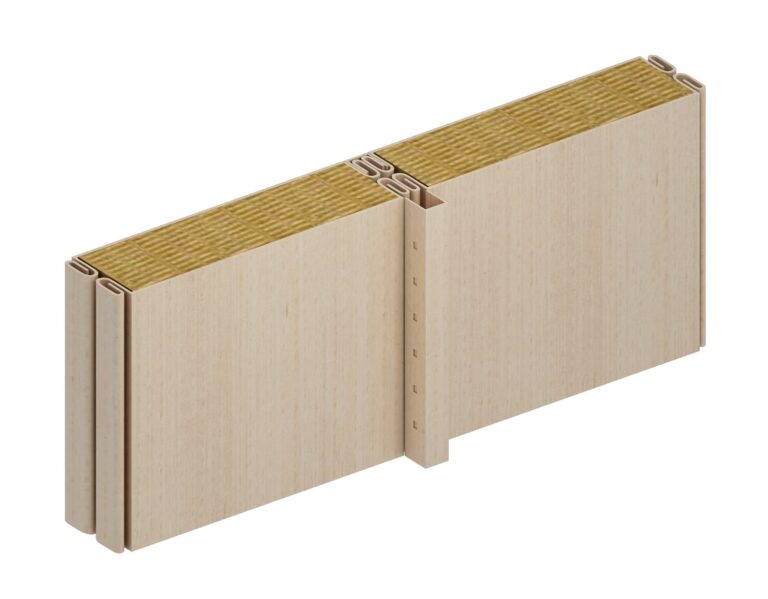
A marine interior technical submittal should connect each requested item to one proposed product, one controlled set of drawings and the documents that apply to that exact configuration.
Problems begin when a schedule lists one model, the drawing shows another arrangement and the attached certificate covers a different construction. Before order release, use a clear review process for panels, doors, insulation, flooring, furniture, galley equipment and other accommodation materials.
The checklist below is intended to organise the review. It does not replace the shipyard’s, owner’s, flag Administration’s or classification society’s approval process.
1. Start with a controlled material register
Give every item a traceable reference. The register should identify:
- Item number and product category.
- Deck, room or installation-area reference.
- Quantity and unit of measure.
- Specification and drawing revision.
- Proposed manufacturer and model or system.
- Submittal status and latest revision.
- Open technical questions and responsible party.
Avoid using one generic line for several different constructions. If the required rating, dimensions, finish, hardware or service connection changes, separate the configurations so that each can be reviewed and ordered correctly.
2. Match the proposed model to the schedule
The product designation in the offer, datasheet, drawing and certificate should be consistent. Check spelling, suffixes, model variants and assembly references.
Where a supplier proposes an alternative, make the change visible. The submittal should state what differs from the enquiry and which party needs to review it. Do not silently replace a specified system with a similar product name.
3. Separate material properties from assembly performance
A core material property is not automatically the performance of the finished assembly. For example, rock wool core density is expressed in kg/m³, while finished-panel weight may be expressed in kg/m². Fire or acoustic performance must be connected to the complete documented construction.
Apply the same discipline to other products:
- A door rating must correspond to the proposed leaf, frame and approved configuration.
- Window or hatch performance must correspond to the selected construction and dimensions.
- Flooring performance must correspond to the complete build-up.
- Furniture material statements should not be presented as approval of every completed item.
- Galley and laundry utility requirements must match the selected equipment model.
4. Check the document scope, not only the certificate logo
The IMO 2010 FTP Code sets out international requirements for fire testing and type approval of products referenced under SOLAS chapter II-2. A useful review therefore goes beyond seeing an approval mark on a document.
For each required document, check:
- Issuing authority or authorised body.
- Applicant and manufacturer.
- Product or type designation.
- Construction and materials covered.
- Specific qualities or classification stated.
- Conditions, limitations and installation references.
- Validity and revision status.
- Relevance to the vessel and project approval basis.
DNV also distinguishes type approval of a design from certification of an individual delivered product. The exact document requirement therefore needs to be stated in the project or purchasing specification rather than assumed.
5. Review drawings and interfaces together
Product approval does not resolve every installation interface. Keep the product data and the relevant arrangement or detail drawings together.
Panels, ceilings and insulation
Check panel type, thickness, height, joints, profiles, finish, openings, penetrations, adjacent structure and insulation arrangement.
Doors, windows and hatches
Check structural opening, clear opening, frame or coaming detail, hinge side, opening direction, sill, glazing, hardware and surrounding panel construction.
Flooring
Check substrate, build-up height, thresholds, skirting, door clearances, finishes and area-specific requirements.
Furniture
Check room layout, dimensions, fixing points, wall construction, services, access clearance, hardware and installation sequence.
Galley and laundry equipment
Check capacity, dimensions, maintenance access, voltage, frequency, phase, rated power, water, drainage, exhaust and other applicable utility connections.
6. Keep open items visible
A submittal does not need to pretend that every detail is complete. Use clear status terms such as:
- Submitted for review.
- Approved as noted.
- Revise and resubmit.
- Information required.
- To be confirmed before manufacture.
Record the responsible person and required date for each open item. If an order is released with an agreed exception, keep that exception with the purchase record and affected drawing revision.
7. Confirm the supply and support boundary
Define what is included before the commercial offer becomes an order:
- Main products and quantities.
- Profiles, trims, hardware, accessories and spare items.
- Datasheets, certificates, drawings and installation instructions.
- Packing, labelling and delivery sequence.
- Installation work, remote guidance or other requested support.
- Explicit exclusions and responsibilities of other parties.
JULY Marine Group’s installation or technical-support scope is confirmed by project location, schedule, team availability and the agreed contract. It should not be assumed from a general product quotation.
A concise pre-order review table
| Review item | What should match | Typical action if unclear |
|---|---|---|
| Product identity | Offer, schedule, datasheet and drawing | Confirm exact model or list the alternative |
| Technical data | Units, construction and selected configuration | Correct the schedule and identify the source |
| Approval documents | Model, manufacturer, scope and conditions | Request the applicable document or mark pending |
| Drawings | Revision, dimensions and interfaces | Revise, comment or assign an open item |
| Supply scope | Products, accessories, documents and exclusions | Issue a clear inclusion/exclusion list |
| Delivery | Quantities, package IDs and sequence | Align packing plan with project priorities |
| Support | Location, timing and agreed responsibility | Confirm separately in the proposal |
Frequently Asked Questions
Is a general product certificate enough for order release?
Not necessarily. The project team should confirm that the document applies to the proposed manufacturer, model, construction and required approval scope.
Can several product variants use one technical submittal?
Only when the differences remain clear and the supporting documents apply to each proposed variant. Separate lines or submittals are safer when ratings, dimensions, materials or hardware differ.
Who approves the final product selection?
That responsibility follows the project’s contractual and approval arrangements. A supplier can provide product information and respond to comments, but should not replace the responsible shipyard, owner, Administration or class review.
What should happen when information is still missing?
Mark it as an open item, assign responsibility and state the latest point at which it must be resolved. Do not fill the gap with an unsupported product claim.
Can JULY Marine Group coordinate a multi-product package?
JULY Marine Group can review available schedules, drawings, interfaces and document requirements for an agreed marine interior supply package. The precise supply and support scope is confirmed in the project proposal.
Prepare the submittal package with JULY Marine Group
Start with the material register, current drawings, technical specification, required documents, destination and programme. Link each requested item to its location and identify the questions still open.
Review JULY Marine Group’s marine wall and ceiling systems, marine doors, windows and hatches, marine furniture and galley and laundry equipment. Then contact the team with the available project package.