A hospital vessel interior is not simply an accommodation fit-out with medical equipment added later. Clinical spaces, crew areas, corridors, technical services and emergency routes must work inside a limited marine envelope. That makes hospital vessel interior installation an interface-management task as much as an installation task.
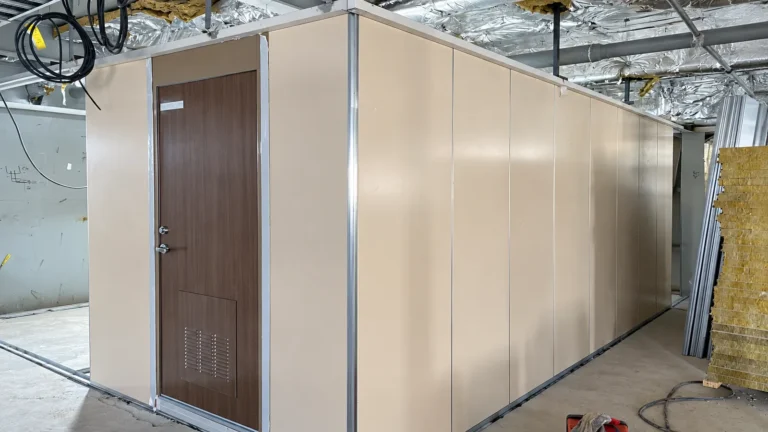
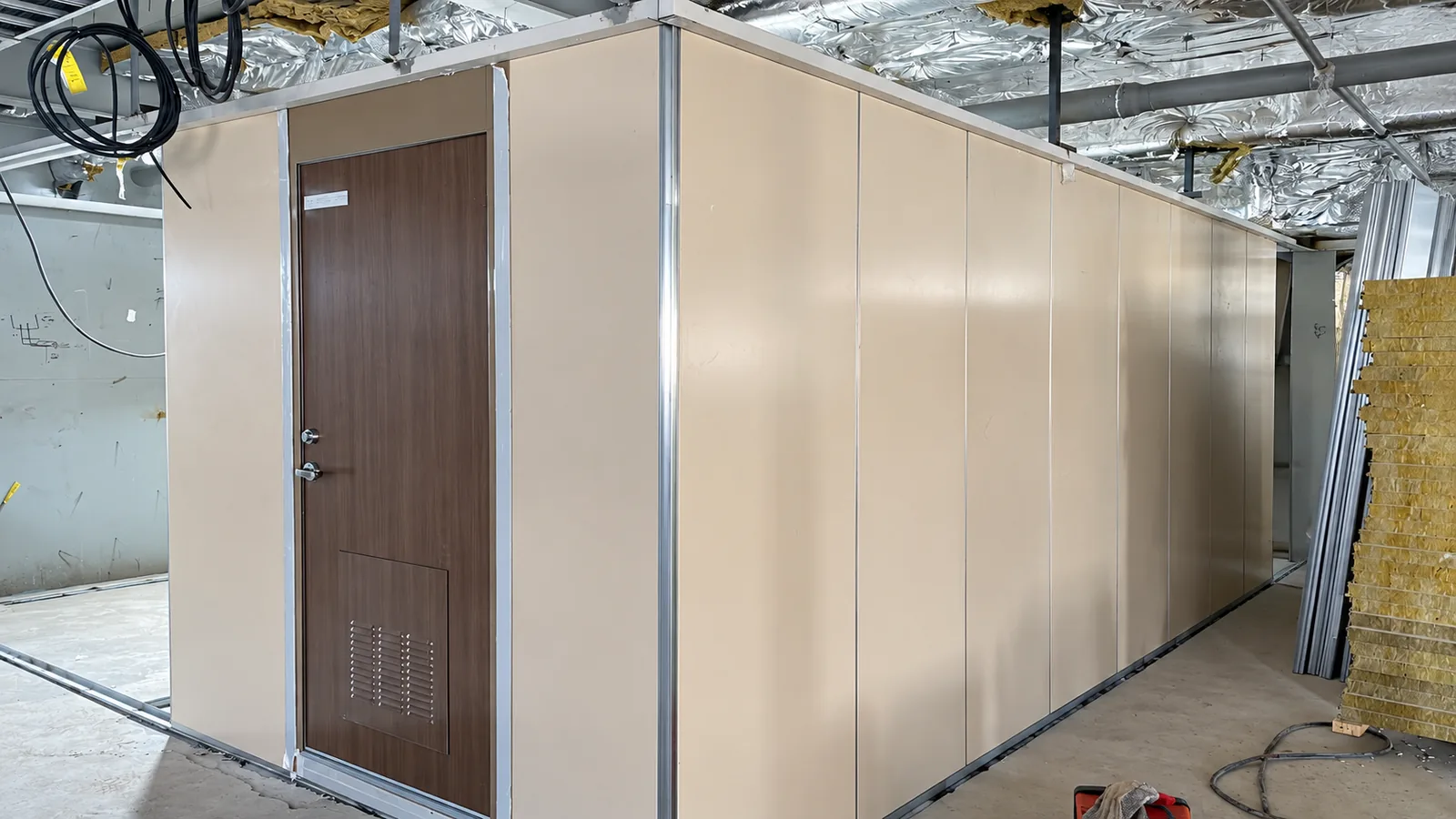
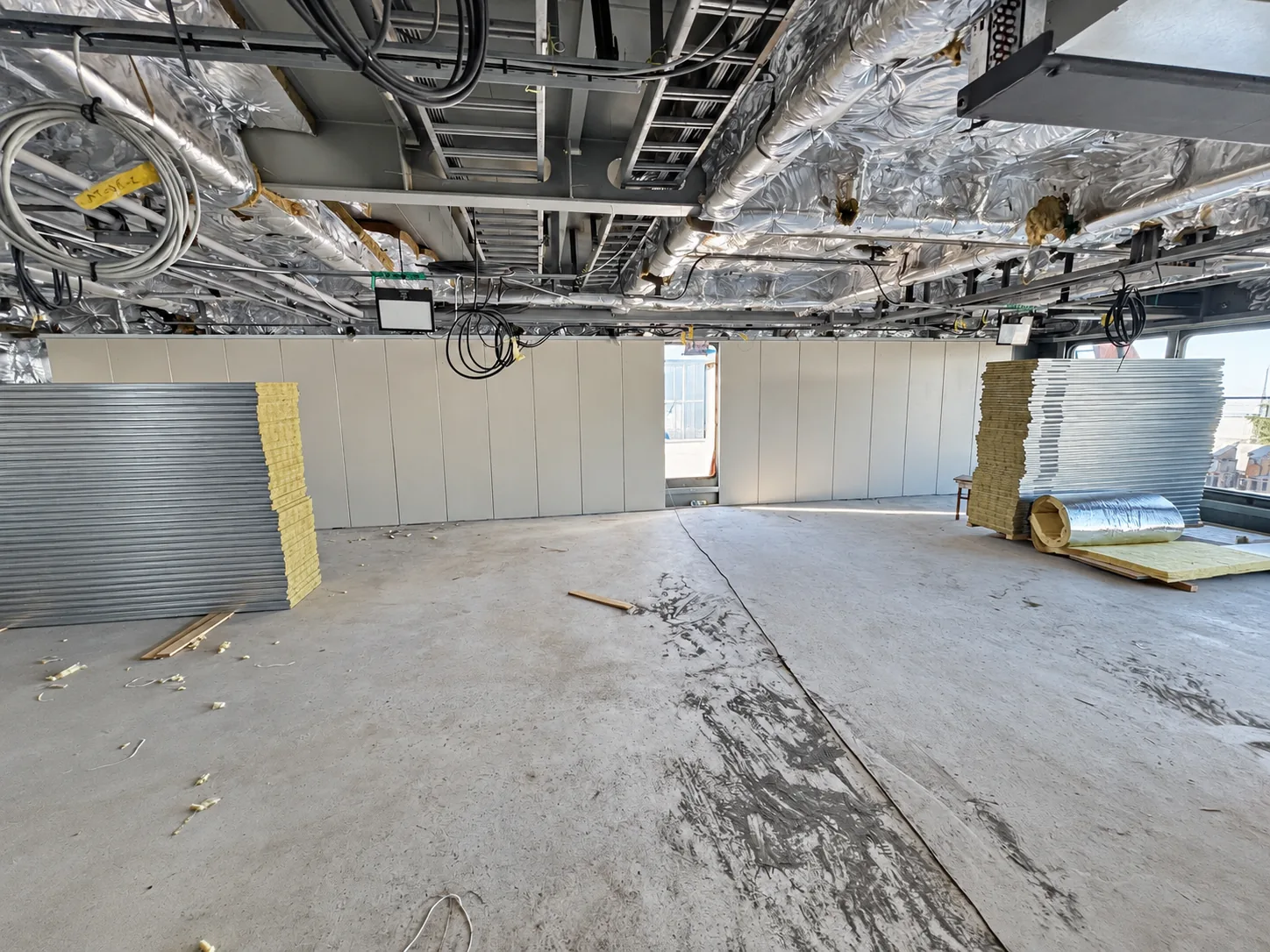
These real site photographs show work in progress rather than a staged finished room. Marine wall panels and cabin doors are being installed while insulation, overhead services, ceiling supports and finishing activities continue around them. This is the stage where early coordination creates the most value—and where small mismatches can become expensive rework.
The Main Pain Points in Hospital Vessel Interior Installation
1. Too Many Systems Compete for the Same Space
Wall panels, doors, ceilings, insulation, ductwork, cable trays, piping, lighting and equipment supports often meet within a narrow zone. If one trade installs before the shared dimensions are confirmed, the next trade may have to cut, relocate or dismantle finished work. The visible cost is labour; the larger cost is schedule disruption across several teams.
2. Late Design Changes Reach the Site Too Slowly
Hospital and special-purpose spaces can require frequent coordination between vessel layout, technical services and room functions. A revised door opening, ceiling level or service route may affect several material packages. When drawings, material lists and site instructions are managed separately, teams can easily work from different revisions.
3. Material Packages Arrive Without Installation Logic
A complete purchase order does not automatically create an installable work package. Panels, profiles, doors, fasteners, trims and accessories must arrive in a sequence that matches the work fronts. Missing profiles or incorrectly grouped components can stop an area even when most materials are already on site.
4. Multiple Suppliers Create Interface Gaps
Interior systems are frequently purchased from different sources. Each individual product may be correct, yet the combined system can still fail at junctions: panel-to-door details, ceiling perimeter profiles, penetrations, floor upstands or insulation boundaries. These gaps are difficult to solve after production and shipment.
5. International Projects Need Fast Technical Decisions
Shipyards and installation teams cannot always wait for a supplier representative to travel. Clear photos, marked-up drawings, video meetings and organised open-item lists are essential for resolving site questions quickly—especially when the project, supplier and installation team are in different countries.
6. Compliance Must Remain Connected to the Installed Detail
Applicable fire divisions, material restrictions and escape-route requirements influence interior boundaries and finishes. SOLAS fire-safety principles include separation of accommodation spaces by thermal and structural boundaries and restrictions on combustible materials. The final solution must follow the approved vessel specification, flag requirements and relevant class approvals; selecting a nominally compliant product is not enough if the installed interface differs from the approved arrangement.
How JULY Marine Reduces Installation Risk
One Coordinated View of Materials and Installation
JULY Marine connects material supply with installation planning. Instead of treating panels, doors, ceilings and accessories as isolated purchase items, we review how the package will be delivered, identified and installed. This helps expose missing interfaces before they become site delays.
Drawing and Interface Review Before Work Is Closed
Our support can include review of general arrangements, room layouts, wall and ceiling schedules, door schedules and service-interface information. The aim is practical: confirm the dimensions and installation sequence that affect the next work front, then record open points clearly.
Vietnam-Based Installation Capability
JULY Marine has installation resources based in Vietnam and can support projects across Southeast Asia according to scope, schedule and location. For Middle East and other international projects, support can be organised through site supervision, coordination with local labour or remote technical guidance. The delivery model is agreed project by project; we do not force clients into a full turnkey scope when focused support is more practical.
Remote Guidance for Faster Site Decisions
When full-time deployment is unnecessary, our team can support local installers through drawing review, photo and video checks, sequence recommendations, installation manuals and online troubleshooting. This keeps product knowledge connected to the people carrying out the work while allowing the shipyard to retain control of its local workforce.
Supply-Package Coordination
JULY Marine’s material background is a practical advantage during installation. We understand that installation progress depends on complete profiles, trims, fixing materials, door components and clearly identified packages—not only the major panels visible in a bill of materials. Our material site, JULY Marine, focuses on marine interior products and coordinated supply.
What This Hospital Vessel Site Work Demonstrates
- Marine wall-panel positioning and alignment within an active work area
- Cabin-door integration with the surrounding panel system
- Coordination around structural framing and deck boundaries
- Interfaces with insulation, ductwork, cable trays and other overhead services
- Material staging while several construction activities remain open
- The importance of recording actual site conditions instead of relying only on design assumptions
The photographs intentionally show the unfinished condition. They do not imply that the entire vessel interior has been delivered or commissioned. They demonstrate the real coordination environment in which installation decisions must be made.
A Practical Information Package for Project Review
To assess a marine interior installation scope efficiently, send the following information where available:
- Vessel type, project location and target schedule
- General arrangement and accommodation layouts
- Wall, ceiling, door and finish schedules
- Approved or current panel and door details
- Service routing and ceiling-interface drawings
- Material supply status and delivery sequence
- Site photographs, progress records and open-item lists
- Required support model: supply only, remote guidance, supervision or installation support
Even when documentation is incomplete, early review can identify which missing decisions have the greatest effect on procurement and installation.
Frequently Asked Questions
Can JULY Marine provide installation support outside Vietnam?
Yes. Depending on project scope and location, JULY Marine can support work across Southeast Asia, the Middle East and other international markets through regional resources, site supervision, coordination with local teams and remote technical guidance.
Does JULY Marine only provide labour?
No. Our advantage is the connection between marine interior materials, drawings, supply-package coordination and installation support. The scope can be tailored instead of separating product knowledge from site execution.
Can support begin after materials are already on site?
Yes, subject to review. Site photographs, drawings, packing information and an open-item list help us assess what is available, what interfaces remain unresolved and which work areas should be prioritised.
Does this article confirm regulatory approval for every hospital vessel?
No. Vessel type, flag, class notation, approved drawings and project specification determine the applicable requirements. JULY Marine supports coordination against the project’s approved basis; final acceptance remains subject to the relevant approving authorities.
Need a Practical Installation Support Plan?
Send the vessel type, project location, drawings, material status, required scope and target dates to [email protected]. JULY Marine will review the information and propose a practical support model—from remote guidance to coordinated site support.